Dental Advice
Why Oral Health Should Never Be Overlooked in Later Life
Published: July 2026
•
3 min read
•
By DanDav Clinical Team
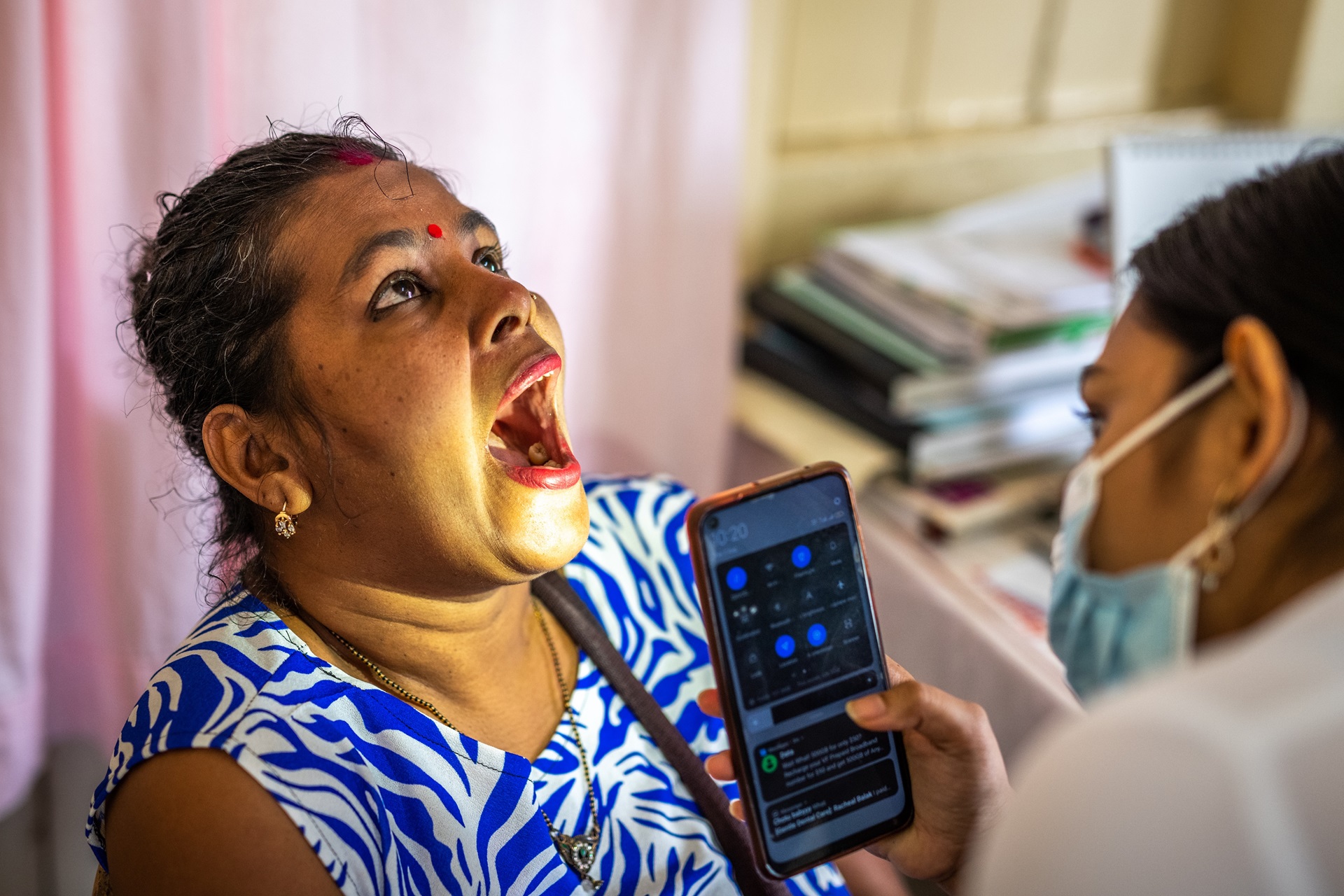
Oral health is an essential part of overall health, yet it is often overlooked as people grow older. Changes associated with ageing, long-term medical conditions, reduced mobility, or certain medications can make maintaining good oral hygiene more difficult. For many older adults, regular visits to a dental practice may also become challenging, increasing the risk of preventable oral health problems.
Good oral health is about much more than having healthy teeth. A healthy mouth supports eating, speaking, smiling, and social confidence. It also contributes to overall wellbeing. According to the NHS, poor oral health can lead to pain, difficulty eating, infections, and a reduced quality of life. These issues can have a greater impact on older adults, particularly those who are already managing other health conditions.
Common oral health concerns in later life include tooth decay, gum disease, dry mouth, worn or damaged dentures, and oral infections. Some prescription medicines may reduce saliva production, increasing the risk of cavities and discomfort. Conditions such as arthritis may also make brushing and flossing more difficult, while memory-related illnesses can affect a person's ability to maintain regular oral hygiene routines.
Preventive care remains the most effective approach. Brushing twice daily with fluoride toothpaste, cleaning between teeth where possible, staying hydrated, and attending regular dental assessments all help reduce the risk of serious problems. For individuals who wear dentures, proper cleaning and routine reviews are equally important to ensure they remain comfortable and function correctly.
Family members and professional carers can also play an important role in supporting oral health. Gentle reminders, assistance with daily oral hygiene where appropriate, and recognising early signs of discomfort or changes in the mouth can help prevent minor issues from becoming more serious. The National Institute for Health and Care Excellence (NICE) encourages care providers to include oral health as part of overall personal care planning, particularly for adults receiving social care.
One challenge many families face is access to dental services for loved ones with limited mobility or complex care needs. Travelling to appointments may not always be practical or comfortable, especially for individuals who are housebound or living with advanced illness. In these situations, mobile dental services can help bridge the gap by bringing professional dental care directly into the home, allowing assessments and preventive care to take place in a familiar environment.
Maintaining good oral health is an important part of preserving dignity, comfort, and quality of life. Small, consistent steps can help people continue eating well, communicating confidently, and avoiding unnecessary discomfort.
At Dandave Care, we recognise that oral health is an integral part of holistic care. Through our Mobile Dental Support service, overseen by our founder—a practising dentist—we provide professional oral hygiene support, denture reviews, and home dental check-ups for older adults, vulnerable individuals, and those who may find it difficult to attend a dental clinic. To learn more about this specialised service, visit https://dandavecare.co.uk.
Further Reading
NHS – Taking Care of Your Teeth and Mouth: https://www.nhs.uk/live-well/healthy-teeth-and-gums/
Oral Health Foundation – Oral Health for Older People: https://www.dentalhealth.org/
NICE – Oral Health for Adults in Care Homes (NG48): https://www.nice.org.uk/guidance/ng48
General Dental Council (GDC) – Standards for Dental Professionals: https://www.gdc-uk.org
Good oral health is about much more than having healthy teeth. A healthy mouth supports eating, speaking, smiling, and social confidence. It also contributes to overall wellbeing. According to the NHS, poor oral health can lead to pain, difficulty eating, infections, and a reduced quality of life. These issues can have a greater impact on older adults, particularly those who are already managing other health conditions.
Common oral health concerns in later life include tooth decay, gum disease, dry mouth, worn or damaged dentures, and oral infections. Some prescription medicines may reduce saliva production, increasing the risk of cavities and discomfort. Conditions such as arthritis may also make brushing and flossing more difficult, while memory-related illnesses can affect a person's ability to maintain regular oral hygiene routines.
Preventive care remains the most effective approach. Brushing twice daily with fluoride toothpaste, cleaning between teeth where possible, staying hydrated, and attending regular dental assessments all help reduce the risk of serious problems. For individuals who wear dentures, proper cleaning and routine reviews are equally important to ensure they remain comfortable and function correctly.
Family members and professional carers can also play an important role in supporting oral health. Gentle reminders, assistance with daily oral hygiene where appropriate, and recognising early signs of discomfort or changes in the mouth can help prevent minor issues from becoming more serious. The National Institute for Health and Care Excellence (NICE) encourages care providers to include oral health as part of overall personal care planning, particularly for adults receiving social care.
One challenge many families face is access to dental services for loved ones with limited mobility or complex care needs. Travelling to appointments may not always be practical or comfortable, especially for individuals who are housebound or living with advanced illness. In these situations, mobile dental services can help bridge the gap by bringing professional dental care directly into the home, allowing assessments and preventive care to take place in a familiar environment.
Maintaining good oral health is an important part of preserving dignity, comfort, and quality of life. Small, consistent steps can help people continue eating well, communicating confidently, and avoiding unnecessary discomfort.
At Dandave Care, we recognise that oral health is an integral part of holistic care. Through our Mobile Dental Support service, overseen by our founder—a practising dentist—we provide professional oral hygiene support, denture reviews, and home dental check-ups for older adults, vulnerable individuals, and those who may find it difficult to attend a dental clinic. To learn more about this specialised service, visit https://dandavecare.co.uk.
Further Reading
NHS – Taking Care of Your Teeth and Mouth: https://www.nhs.uk/live-well/healthy-teeth-and-gums/
Oral Health Foundation – Oral Health for Older People: https://www.dentalhealth.org/
NICE – Oral Health for Adults in Care Homes (NG48): https://www.nice.org.uk/guidance/ng48
General Dental Council (GDC) – Standards for Dental Professionals: https://www.gdc-uk.org